Contact Us

img not found
Fast and efficient service

Cleaning
Excellence
Guaranteed!

    Online
    Appointment

    img not found img not found

    20

    Years Experience

    Brightening The Home From Every Side

    Service Monitoring

    Beclosing this notice senectus sodales habitant in dapibus adam

    Fast Communication

    Museu malesuada nullama aenean conubia euismod diam lectus

    Guranteed Quality Cleaning
    Service Everytime

    img not found
    Commercial

    Window Cleaning

    img not found
    Commercial

    Carpet Cleaning

    img not found
    Commercial

    Kitchen Cleaning

    img not found
    Commercial

    House Cleaning

    img not found

    2050

    Project Completed
    img not found

    3050

    Dedicated Cleaner
    img not found

    8205

    Satisfied Customer
    img not found

    1232

    International Awards

    Both replacing sponges and disinfecting them have their merits, and the choice often depends on the condition of the sponge and your hygiene preferences.

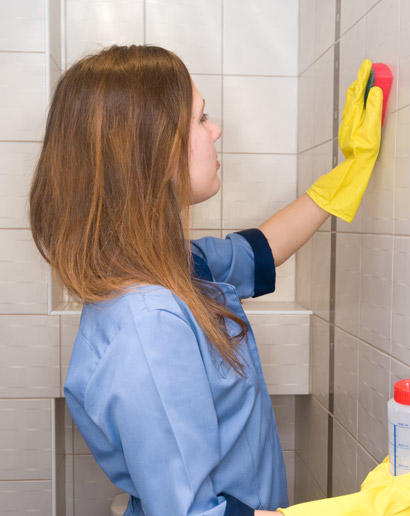
    Removing stains from walls without damaging the paint can be achieved with the right cleaning methods and materials. Here are steps to help you get stains off the walls safely: * Identify the Type of Stain: Before you start cleaning, determine the type of stain you're dealing with. Common stains on walls include food, crayon marks, scuff marks, and water stains. The type of stain will help you choose the appropriate cleaning method. * Gather Supplies: * Mild dish soap or a specialized wall cleaner. * A clean sponge or cloth. * A soft-bristle brush (an old toothbrush works well). * Warm water. * Microfiber cloth for drying. * Test in an Inconspicuous Area: Before cleaning the entire stained area, test your chosen cleaning solution in an inconspicuous corner of the wall to ensure it doesn't damage the paint or cause discoloration. * Prep the Stained Area: * Remove any loose dirt or dust from the stained area using a dry cloth or a soft brush. * Be gentle to avoid scratching the paint. * Clean the Stain: * Create a cleaning solution by mixing a few drops of mild dish soap with warm water. * Dampen a clean sponge or cloth in the soapy water solution and gently rub the stained area in a circular motion. * For more stubborn stains, use a soft-bristle brush or an old toothbrush to scrub the area gently. * Avoid excessive scrubbing, as this could damage the paint. * Rinse and Dry: * Rinse the cleaned area with a clean, damp cloth to remove any soap residue. * Dry the wall with a microfiber cloth or a dry, clean cloth. * Repeat as Necessary: Depending on the severity of the stain, you may need to repeat the cleaning process several times to fully remove it. Be patient and avoid using abrasive materials. * Touch-Up If Necessary: If the stain has caused any paint damage or discoloration, consider touching up the area with a matching paint color after the wall is completely dry. * Prevent Future Stains: To prevent future stains, consider adding a clear, water-based wall sealer or protectant to high-traffic areas. This can make it easier to clean and maintain your walls.

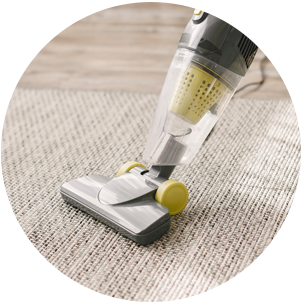
    A vacuum cleaner's performance can vary based on several factors, and if your vacuum isn't doing a good job, it might be due to one or more of the following reasons: Clogged Filters or Dustbin: Vacuum cleaners have filters and dustbins that can become clogged over time with dirt and debris. A clogged filter reduces airflow and suction power. Regularly clean or replace filters and empty the dustbin as needed. Dirty or Worn Brushes: The brush roll or beater bar of your vacuum can accumulate hair, threads, and debris, affecting its cleaning efficiency. Remove obstructions and inspect the condition of the brushes. If they are worn out, consider replacing them. Weak Suction: Weak suction can result from various issues, including clogged hoses or pipes, a damaged vacuum motor, or a faulty seal. Check for blockages and make sure all connections are secure. If the motor is weak, you may need professional repair or a new vacuum. Incorrect Height Adjustment: Some vacuums allow you to adjust the height of the brush roll or nozzle. Using the wrong height setting for your type of flooring can lead to poor performance. Adjust the height setting according to your flooring type. Old or Worn Vacuum Belt: If your vacuum has a belt-driven brush roll, the belt can become worn or loose, reducing the brush's effectiveness. Replace the belt if necessary, as recommended in the user manual. Lack of Maintenance: Regular vacuum maintenance is essential. This includes cleaning the vacuum's brush, filters, and hoses, as well as checking for loose or damaged parts. Neglecting maintenance can lead to decreased performance. Ineffective Attachments: Some vacuum attachments are designed for specific tasks, such as cleaning upholstery or crevices. Using the wrong attachment for a particular job can result in subpar cleaning results. Low-Quality Vacuum: Not all vacuums are created equal. Lower-quality or outdated vacuum models may not have the power and efficiency of newer, more advanced models. Consider investing in a higher-quality vacuum if your current one consistently underperforms. High Traffic or Heavy Soil: If your living space experiences heavy foot traffic or if you have pets that shed a lot, your vacuum may need more frequent cleaning and maintenance to keep up with the dirt and debris. User Error: Sometimes, poor vacuuming results are due to user error. Ensure you are using the vacuum correctly, moving it slowly, and overlapping your passes for thorough cleaning.
      Have Any Questions